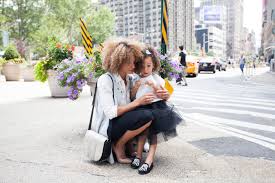
 What is Separation Anxiety?
Separation anxiety is the stage where a young child becomes anxious at the threat of separating from their primary attachment figure. According to the Diagnostic and Statistical Manual-IV, separation anxiety is a fairly common anxiety disorder, which occurs in children younger than 18 years old and persists for at least 4 weeks.
Signs of Typical Separation Anxiety:
What is Separation Anxiety?
Separation anxiety is the stage where a young child becomes anxious at the threat of separating from their primary attachment figure. According to the Diagnostic and Statistical Manual-IV, separation anxiety is a fairly common anxiety disorder, which occurs in children younger than 18 years old and persists for at least 4 weeks.
Signs of Typical Separation Anxiety:
- Clinginess
- Crying when a parent is out of sight
- Strong preference for only one parent over all other people
- Fear of strangers, or of family and friends who are not frequently seen
- Resistance to separation at bedtime or nap time
- Waking at night crying for a parent
- Regression to an earlier stage of development, such as thumb-sucking or “baby-talk”
- Anxiety that is easily eliminated upon a parent’s appearance
- Reluctance to fall asleep without being near the primary attachment figure
- Excessive distress (e.g., tantrums) when separation is imminent
- Nightmares about separation-related themes
- Bedwetting
- Homesickness (e.g., a desire to return home or make contact with the primary caregiver when separated)
- Frequent physical or somatic symptoms (e.g., abdominal pain and palpitations)
- Fear of being alone
- Encourage independent playtime at home
- Model calm behavior: Try to appear relaxed with a happy or calm expression
- Promote positive self-esteem
- For preschool aged children, a play Hide and Seek or Peek-a-boo. Play this game at home and allow a full minute to pass without being visible to your child.
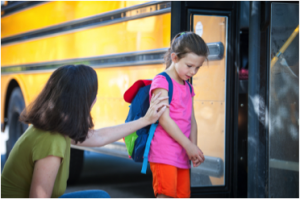
- Help your child hang up their coat
- Read a book in the reading area and wave goodbye from the door
- Encourage your child to draw a picture to bring home for you
- Attach a picture of your family in the child’s cubby
- Allow your child to carry something special into school daily
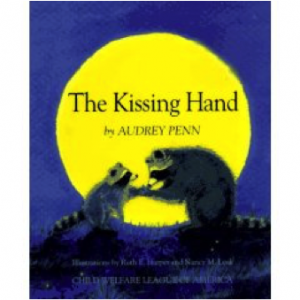
- The Kissing Hand, by Audrey Penn
- Llama Llama Misses Mama, by Anna Dewdney
- I Love You All Day Long, by Francesca Rusackas and Priscilla Burris
- First Day Jitters, by Julie Danneburg and Judith Dufour Love
- The Invisible String, by Patrice Karst