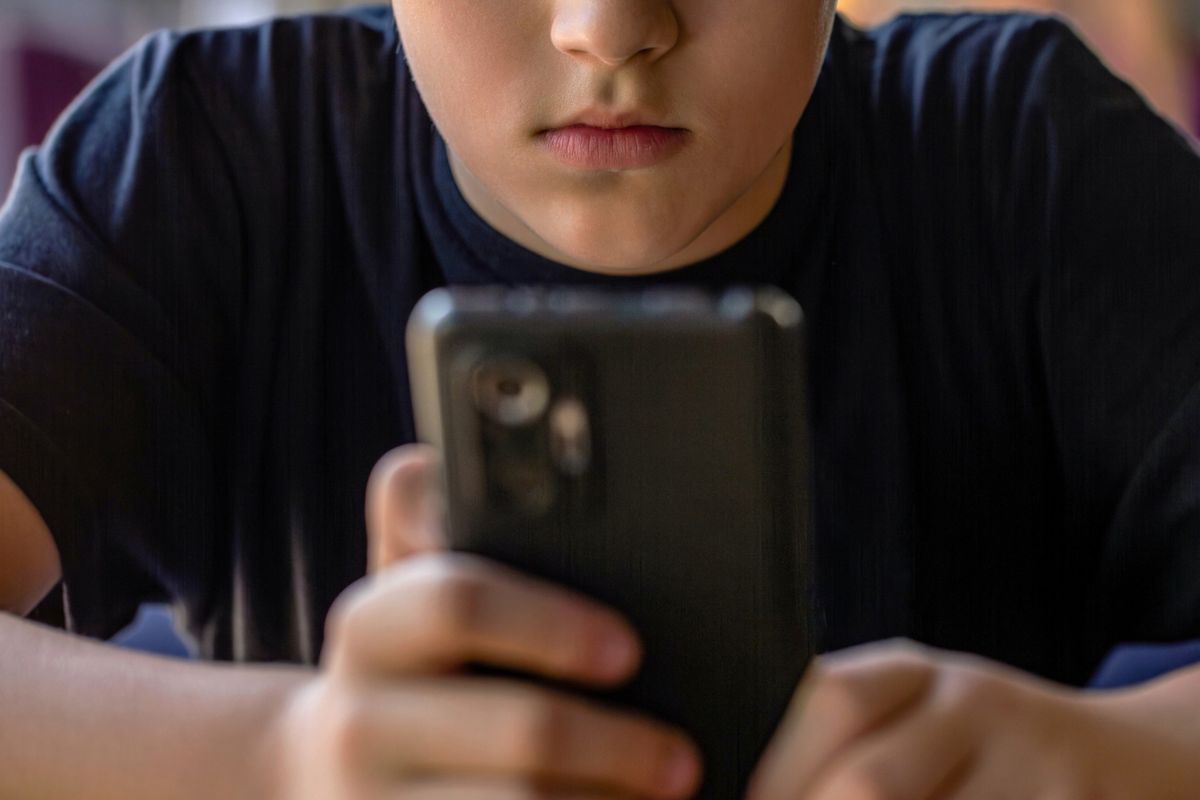
 Screens are part of daily life for kids and teens. They use them for schoolwork, entertainment, communication, and social media. While technology offers benefits, parents and caregivers often worry about how many hours a day their children spend on screens and how it affects sleep, mood, and mental health. These concerns are valid. By 2026, researchers continue to find strong connections between screen habits, sleep quality, and youth mental health.
Understanding these patterns can help families make healthy decisions without relying on fear or guilt. The goal is not to eliminate screens. It is to support balance, encourage quality sleep, and help kids grow up with strong emotional and physical foundations.
How Screen Time Affects Sleep
Sleep is one of the most important parts of child and teen development. When kids do not get the amount of sleep they need, everything from attention to mood to physical health is affected.
For young children, school aged children, and teens, screens can interfere with sleep in several ways:
Blue light exposure
Blue light delays melatonin release, making it harder for kids to feel sleepy at night. A child who is ready for bed at 9:00 may start feeling awake again if they look at a screen too close to bedtime.
Mental stimulation
Games, videos, and fast moving content make the brain more alert. Instead of winding down, the mind becomes more active, which delays falling asleep.
Interrupted routines
Late night scrolling, social media notifications, and video streaming can shift bedtime later and reduce hours of sleep. Teens are especially vulnerable because social media often peaks at night, when peer communication feels most important.
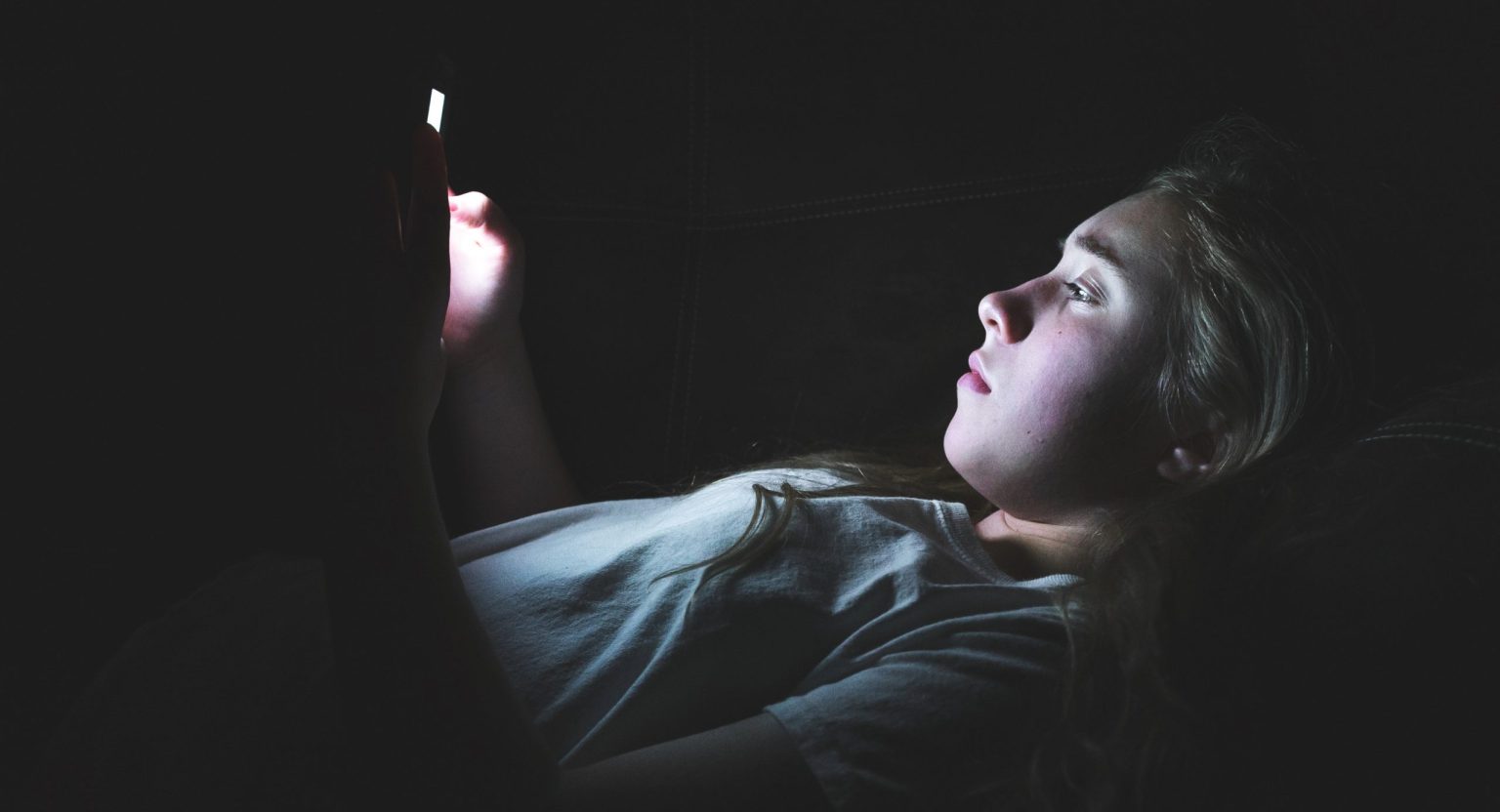
Feeling “on” all the time
Teens who stay connected around the clock may feel pressure to respond immediately. This increases stress and makes it harder to settle.
The result is predictable. Kids wake up tired, irritable, or unmotivated. They may nap during the day to catch up, which further disrupts night sleep.
Why Sleep Matters for Mental Health
Sleep problems and youth mental health are deeply connected. When children do not get quality sleep or enough hours of sleep, they are more likely to struggle with:
- Anxiety
- Irritability
- Low mood
- Difficulty managing emotions
- Poor concentration
- Behavioral challenges
In teens, sleep loss can intensify mental health challenges like anxiety and depression. It also affects decision making and impulse control.
Kids who fall asleep late, wake often, or rely on daytime napping may experience confusion in their internal clock. This makes it harder for the brain to reach deep, restorative sleep.
In some cases, sleep apnea or other medical conditions may contribute to sleep problems. If you notice loud snoring, gasping, or chronic fatigue, talk to a pediatrician for guidance.
Recommended Amounts of Sleep for Children in 2026
While individual needs vary, general guidelines remain steady:
- Children aged 3 to 5 years need 10 to 13 hours of sleep
- Children aged 6 to 12 years need 9 to 12 hours
- Teens aged 13 to 18 years need 8 to 10 hours
Kids who consistently fall outside these ranges may show signs of stress, low energy, or emotional difficulty.

How Screen Time and Social Media Impact Mental Health
Social media has become a central part of teens’ mental health. Some kids find connection and community online, while others experience stress, comparison, or fear of missing out.
Too much screen time is linked to:
- Higher anxiety
- Increased sadness or irritability
- Social withdrawal
- Trouble focusing
- Stress from constant notifications
Teens mental health is especially sensitive to online pressure. The more time they spend scrolling late at night, the harder it becomes to regulate mood during the day.
Young children may not use social media, but high amounts of fast paced content can still affect emotional development and attention.
This does not mean screens are harmful by definition. It means kids need support in using them thoughtfully.
Healthy Screen Habits for Better Sleep
Parents and caregivers can help kids build routines that protect sleep without creating conflict.
Try these approaches:
Set screen time limits
Agree on a daily limit that works for your child’s age and needs. What matters most is consistency.
Create a digital wind down
Turn off screens at least one hour before bedtime. Replace technology with calm, predictable activities like reading, drawing, stretching, or quiet play.
Use parental controls
Parental controls help set boundaries around late night notifications, social media access, and streaming. They also reduce arguments because the limits are built in.
Keep screens out of bedrooms
This is one of the most effective ways to support quality sleep. Bedrooms should be for resting, not scrolling.
Encourage physical activity
Kids who move their bodies during the day fall asleep faster and sleep more deeply.
Model healthy habits
Children watch how adults use screens. When parents create balance for themselves, kids follow more easily.
How to Recognize When Screen Time Is Affecting Mental Health
Your child may need extra support if you notice:
- Trouble falling asleep or staying asleep
- Constant daytime napping
- Low energy or irritability
- Declining interest in activities they enjoy
- Feeling overwhelmed by social media
- Difficulty separating from screens
- Mood swings linked to online interactions
If these patterns continue, talking with a therapist can help. Support can make it easier to understand what is happening and build healthier routines.
Moving Forward
Screen time is part of the world kids are growing up in, and it will continue to evolve in 2026 and beyond. The goal is not perfection. It is balance. When families support steady routines, protect sleep, and stay aware of mental health, kids and teens can enjoy technology without sacrificing well being.
If you have concerns about sleep problems, anxiety, mood changes, or screen use in your home, reach out for guidance. Parents and caregivers do not have to navigate these challenges alone. Support can help your family create healthy habits that lead to stronger sleep, better mental health, and a calmer daily life.