 (1).jpg?language_id=1)
Course Description
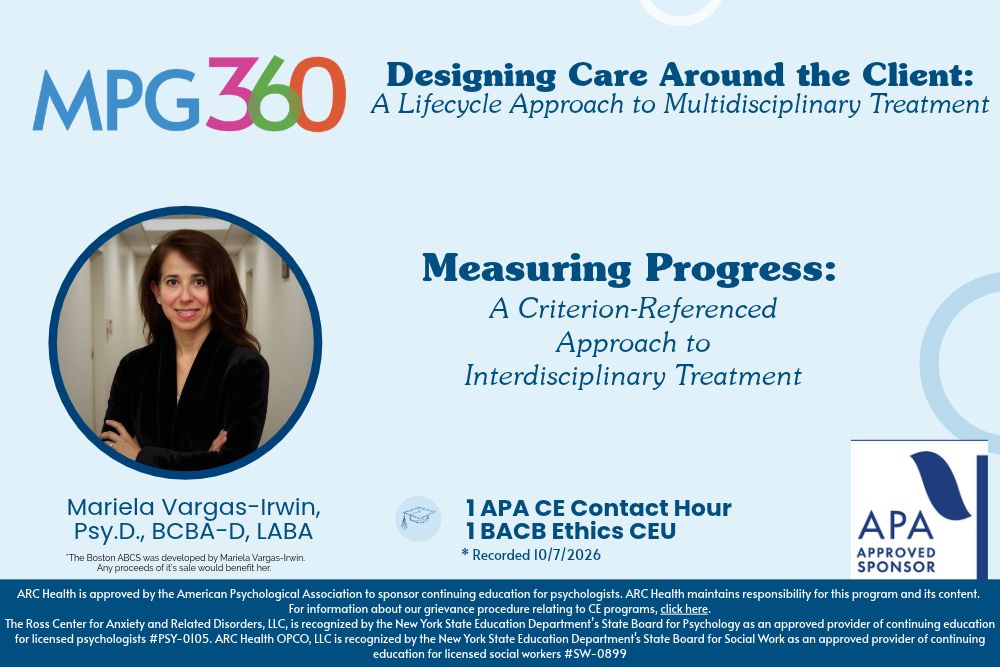
This presentation will provide an overview of current trends in autism identification, assessment, and intervention to support evidence-based, individualized treatment planning. Participants will examine factors contributing to changes in autism prevalence, including evolving diagnostic practices, increased awareness, and expanded diagnostic criteria, and discuss implications for service delivery. The presentation will review a range of autism treatment approaches, including empirically supported interventions and emerging practices, with an emphasis on evidence-based decision-making and informed treatment selection.
Participants will explore autism heterogeneity through a neurodiversity-informed framework, recognizing the diverse strengths, challenges, and support needs of autistic individuals. The presentation will also compare criterion-referenced and norm-referenced assessments, including their applications and limitations in treatment planning, interdisciplinary collaboration, and progress monitoring. Finally, participants will learn how the Boston Assessment of Behavioral Core Skills (Boston ABCS) provides a standardized, criterion-referenced framework for evaluating functional skill development, identifying individualized treatment priorities, facilitating interdisciplinary collaboration, and measuring clinically meaningful progress over time.
Learning Objectives
- Describe current trends in autism prevalence and discuss how changes in diagnostic practices, increased awareness, and expanded diagnostic criteria have influenced identification and service delivery.
- Describe the broad range of treatment options available to parents of children with autism, including both empirically validated and novel interventions, and discuss how evidence-based decision-making can help families make informed treatment choices.
- Recognize the heterogeneity of autism by discussing the principles of neurodiversity while acknowledging the diverse strengths, challenges, and support needs of individuals across the spectrum.