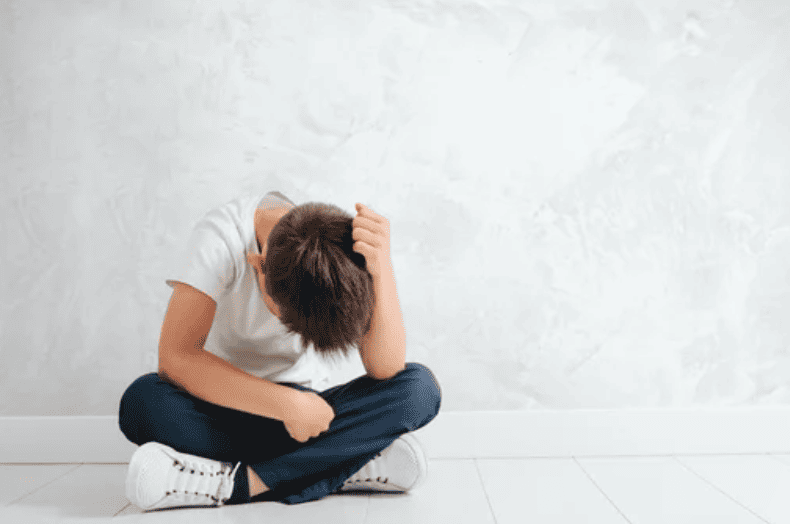
Major Depression:
Major depression is characterized by episodes that last for at least two weeks and can recur throughout a child’s life.
Dysthymia:
Dysthymia is a chronic and less severe form of depression that persists for more than a year.
While the core symptoms of depression and dysthymia share similarities, such as a persistent sad mood and having negative self-perception, the severity and duration of these symptoms are what differentiate the two conditions.
Common Symptoms:
Recognizing the symptoms of depression or dysthymia in children is essential for timely intervention. The symptoms may include:
Depressed or irritable mood, restlessness
Decreased interest in activities and the inability to enjoy previously favorite activities
Low self-esteem and feelings of worthlessness
Frequent sadness or crying
Poor concentration and difficulty making decisions
Major changes in eating and sleeping patterns
Expressing thoughts of wanting to be dead or having suicidal thoughts.
Social withdrawal and refusal to attend school
Unexplained general medical complaints, such as headaches or stomachaches
At times it may be difficult to tell if a child is just going through a temporary “phase” or is suffering from depression. When symptoms last for a short period, it may be a passing case of “the blues”; but if they last for more than two weeks and interfere with regular daily activities, family, and school life, your child should be evaluated for a depressive disorder. When a child has a depressive disorder, symptoms of depression appear as a distinct shift from your child or teen’s previous functioning. Parents usually notice a change in their child’s behavior, or a teacher may mention the child “doesn’t seem to be himself”.
Causes of Depression:
Several factors contribute to the development of depression and dysthymia in children and adolescents, including:
Parental history of depression or mood disorders
Parental conflicts
Poor peer relationships
Negative temperament
Experiencing stress or loss
Co-occurring attentional, learning, conduct, or anxiety disorders
At any given point in time 5% of children and adolescents in the general population experience depression. Before the age of 15, more than 7% of children go through an episode of major depression. Notably, girls are twice as likely as boys to experience depressive episodes by the age of 15.
Treatment for Depression:
Seeking professional help is the first step in addressing depression in children. A pediatrician can rule out medical conditions like diabetes or hypothyroidism that may cause similar symptoms. Typical treatment approaches for children with depression include various forms of psychotherapy, such as psychodynamic, cognitive-behavioral therapy, interpersonal therapy, and family therapy. Behavioral interventions and instructions in social and interpersonal skills can also be part of the treatment plan.
In some cases, a pediatrician or psychiatrist might discuss the option of medication as part of the treatment plan. The FDA has two drugs for use in children diagnosed with depression. Prozac for children 8 years and over, and Lexapro for kids 12 years and older. Without treatment children with depression risk relapse, the earlier treatment starts, the better the outcome. Improvement may take time, ranging from weeks to months of treatment. Treating any co-occurring conditions, such as an anxiety disorder, is important because they can influence the maintenance and recurrence of depression, and lengthen the duration of the depressive episode.
Understanding depression and dysthymia in children is the first step in providing the necessary support and treatment. Early intervention is key to helping children overcome the challenges associated with these conditions and to improve their overall well-being.